A roof inspection in Richmond that includes the attic, not just the shingles
You can't judge a roof from the driveway, and you can't judge it from the shingles alone either. The attic side of the deck tells you as much as the top, and it is where small leaks show up first.
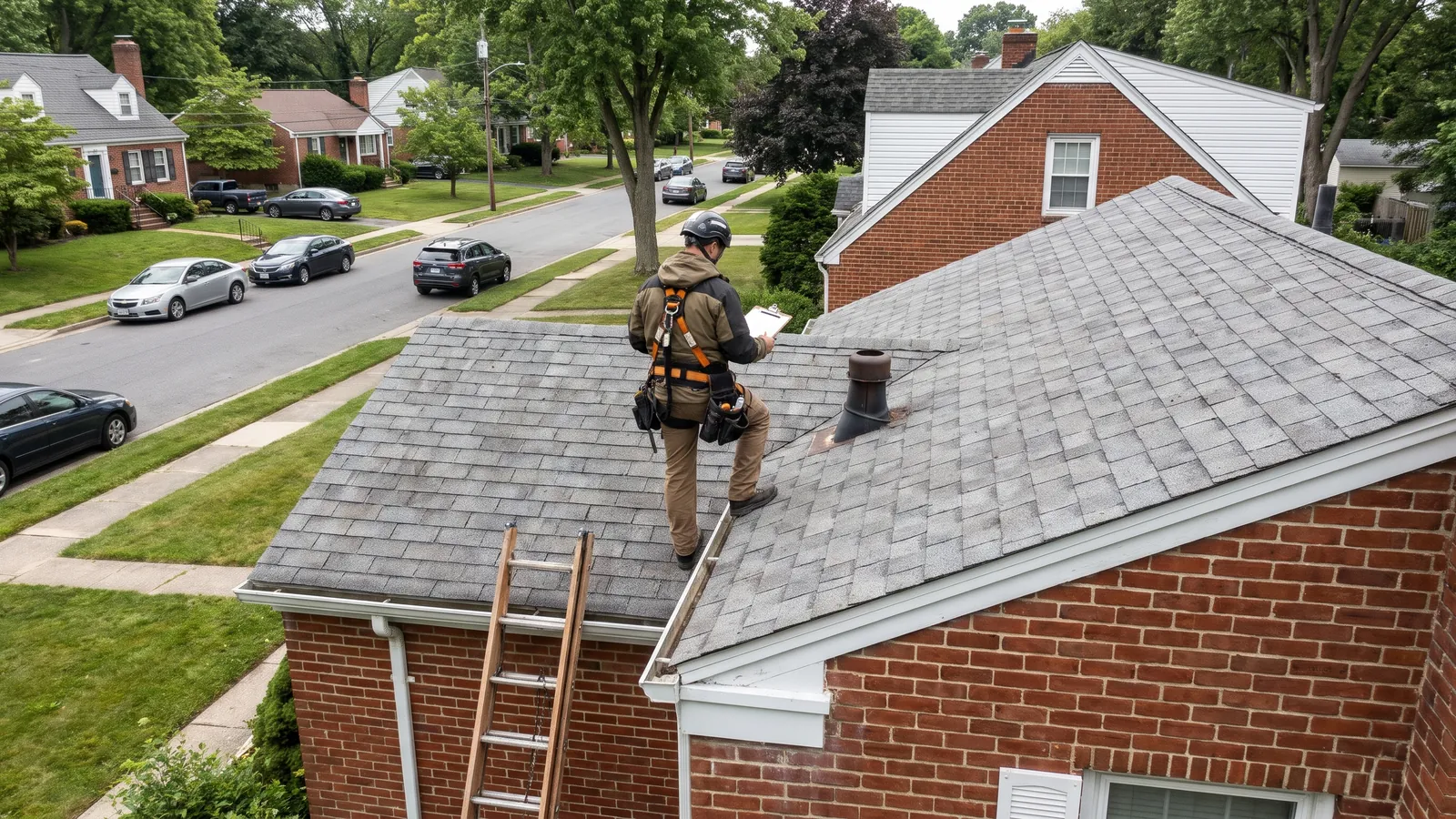
People ask for a roof inspection for four main reasons: a storm came through and they want to know if anything was hurt; the roof is getting old and they want to know how much time it has; they are buying or selling a house; or there is a stain on a ceiling and they would like to know what it means before it gets bigger. The inspection is the same in each case. What changes is how it gets written up.
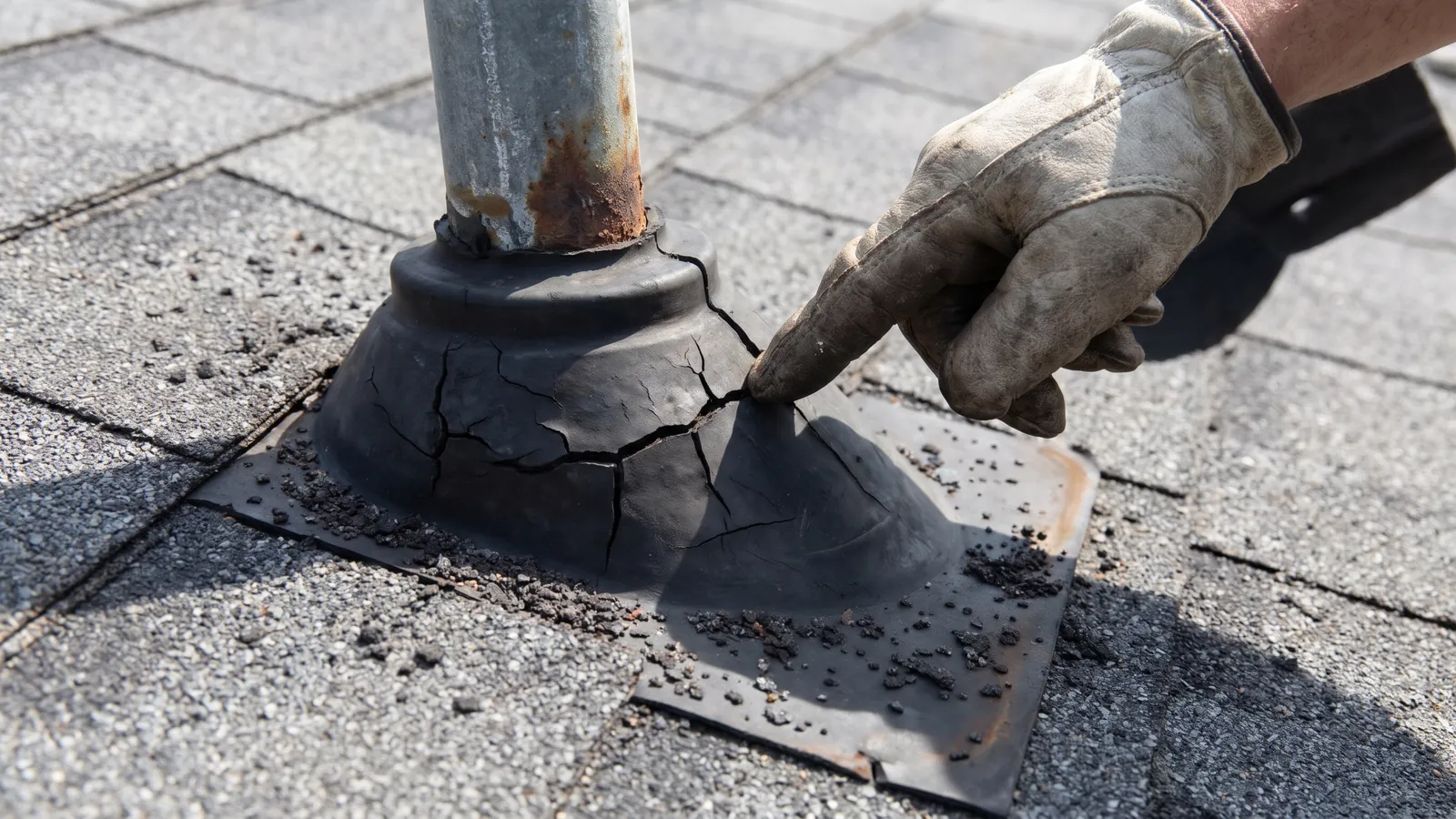
On the roof, the roofer walks every slope that can be walked safely and checks the shingles for curling, cracking, granule loss, hail bruising and wind creases; the flashing at chimneys, walls, dormers and skylights; the pipe boots and vents; the valleys; the ridge; and the drip edge and gutters. Steep or slate roofs get checked from ladders and with a drone or a long lens instead of being walked.
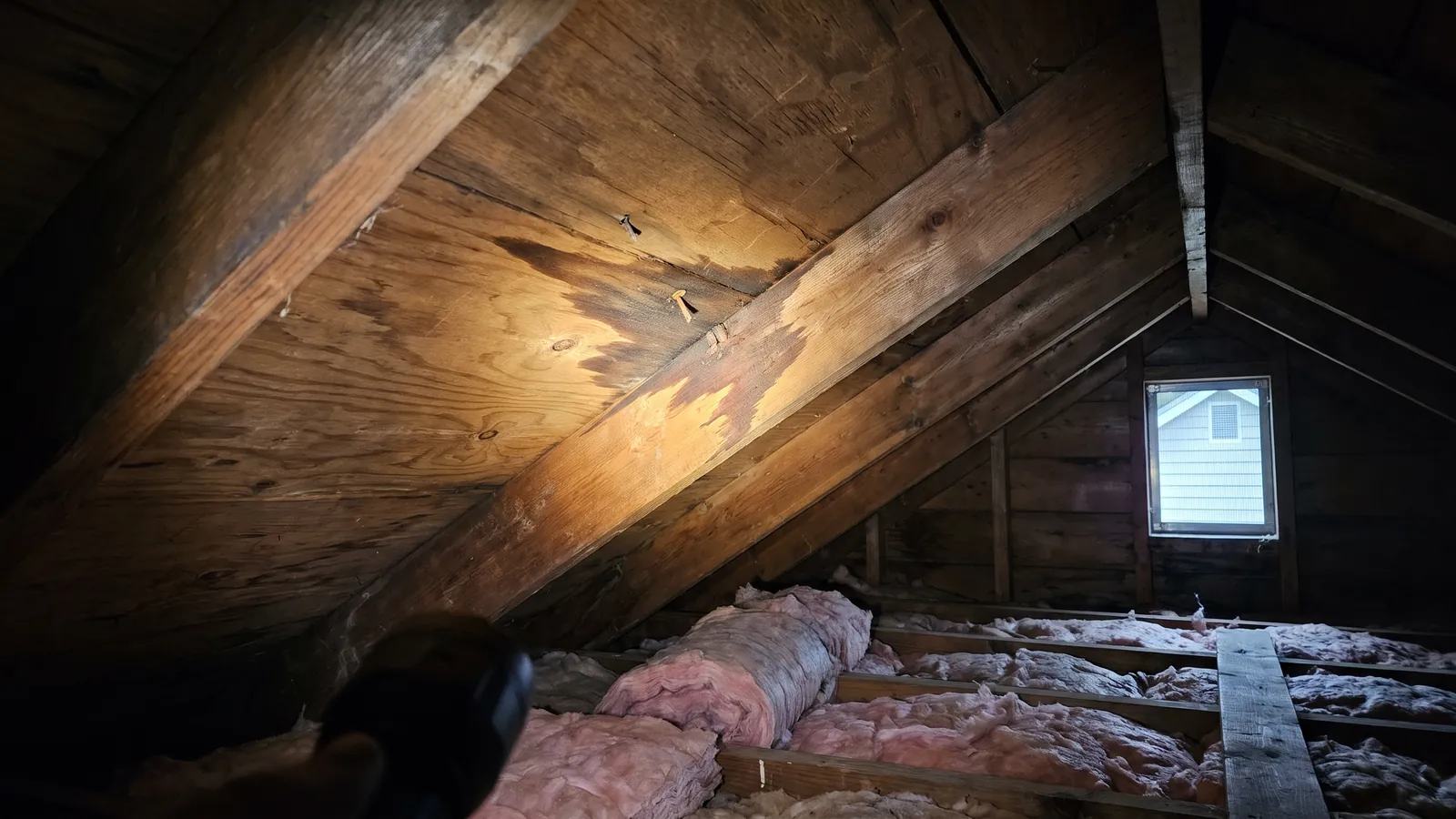
In the attic, they look for water stains on the decking and rafters, damp or compressed insulation, rusty nail tips, mold, daylight where there shouldn't be any, and whether the attic is venting properly. Heat trapped in a poorly vented attic is one of the main reasons shingles in Richmond wear out years early.
For homeowners the visit and the verbal rundown are free, and you get the photos. For a home sale, refinance or HOA you can have a written condition report with the photos, an estimate of remaining life and any repairs priced line by line, for a small flat fee. After storms, the inspection doubles as documentation for an insurance claim; see the claim guide for how that works.
What the job includes
Every slope checked
Shingles, flashing, boots, valleys, ridge, drip edge and gutters, walked where safe and viewed up close where not.
Attic inspection
Decking, rafters, insulation and ventilation checked from inside, where leaks show first.
Photographs
Dated photos of the roof and attic you can keep, share with a buyer or send to an insurer.
Remaining life estimate
An honest read on how many years the roof has left and what will fail first.
Storm documentation
Hail and wind damage marked and photographed the way adjusters expect to see it.
Repairs priced, not pushed
If something needs fixing you get a written price; if nothing does, you hear that.
Roof inspection prices around Richmond
| Work | Typical range | What moves it |
|---|---|---|
| Homeowner roof and attic inspection | Free | With photos and a verbal rundown |
| Written condition report | $150 – $275 | For sales, refinances, HOAs; credited toward work |
| Post-storm damage documentation | Free | Photos and notes for your claim |
| Drone inspection, steep or slate roof | Free – $150 | Free for homeowners; fee for formal reports |
| Annual maintenance inspection | $250 – $500 | With minor upkeep; see maintenance |
Budgeting ranges for the Richmond area in 2026. Your own price is written down after the roofer has been on your roof, and it doesn't change unless you approve a change.
On the job
Questions about roof inspection
How often should a roof be inspected?
Once a year is a good habit, ideally in spring after the winter freeze-thaw cycles and before the summer storm season. Also after any storm that brought hail, high wind or falling limbs.
Is the free inspection really free?
Yes, for homeowners. There is no charge for the visit, the photos or the written price for any repair. Formal written reports for real estate transactions carry a small flat fee, quoted first.
Can you inspect a slate roof without walking on it?
Yes. Slate cracks under foot traffic, so we inspect slate and very steep roofs from ladders, from the attic, and with a drone or zoom lens.
Will you find something wrong just to sell a job?
No. Plenty of inspections end with "the roof is fine, check it again next year." You get the photos either way and can judge for yourself.
What does the attic tell you?
Whether water is getting in, whether the deck is soft or stained, whether the insulation is wet, and whether the attic is venting. Poor ventilation cooks shingles from below and is easy to fix during a re-roof.